Starting seeds Indoors
Getting a jump start on your spring garden!
2/25/20265 min read
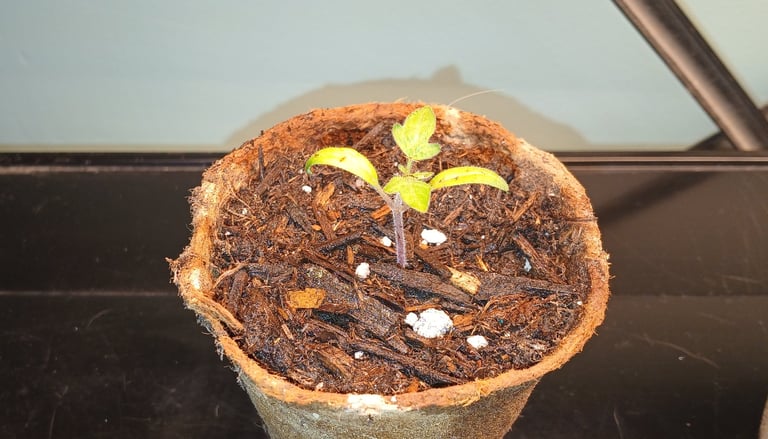
It's officially time to start indoor seeds so you can have beautiful mature plants come spring time! This is one of my absolute favorite parts of gardening. Seeing those little seeds sprout just does something for my soul and helps chase off some of the winter blues!
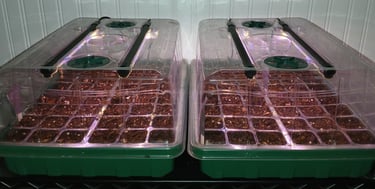
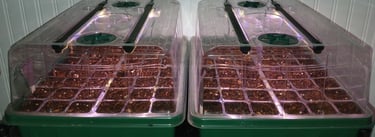
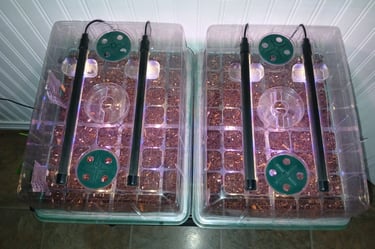
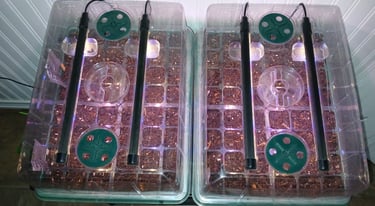
Years ago I purchased an indoor seed tray for seedlings and it was a game changer. Instead of having all plants in front of all my windows and in the way they all get their start in the seed tray. I love it! It helps to bring a little glimpse of spring, and I think by February we all need that! It has 96 cell pods so I can start so many different plants, LED adjustable grow lights, and adjustable humidity vents to create the perfect environment for happy seedlings!
Starting everything from seeds also keeps my garden cost down, its much cheaper than buying individual plants. I start all kinds of things from different varieties of Peppers, Tomatoes, lots of different Herbs, Brussell sprouts , Cauliflower and more! If it grows above ground you can start it inside. My favorite thing to grow is peppers. Watching a seed turn into a plant that produces loads of peppers is just so satisfying to me. Plus there's nothing better in my opinion than homemade hot sauce from peppers grown in my garden. I actually have a 4 year old habanero plant that I started from a seed! I just bring him inside every fall give him a little water every now and then and put him back out in the spring. That plant from one little seed has produced hundreds of habaneros!
I start all my seeds indoors in February (I live in growing zone 7A.) and by the end of March I can put out my Cole crops, by May my spring plants are a good size and ready to go in the garden! To start the process I fill each cell with seed starter soil and plant one seed per cell. The back of your seed packet will tell you deep to plant your seed, most are 1/4 to 1/2 deep. Cover the seeds lightly with soil, give them all a good watering and turn the grow lights on. Keep the lights on for about 14 hours a day and wait, within 2-3 days things start to sprout!
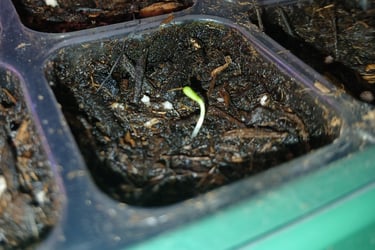
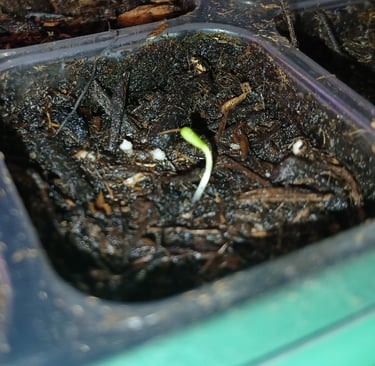
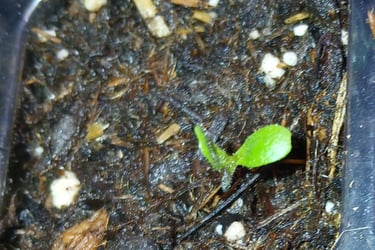
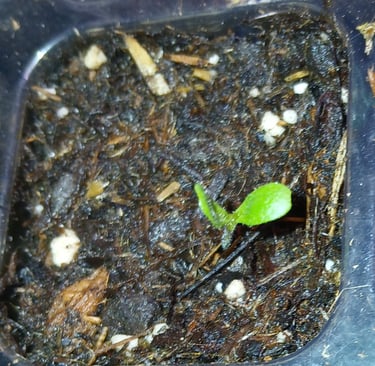
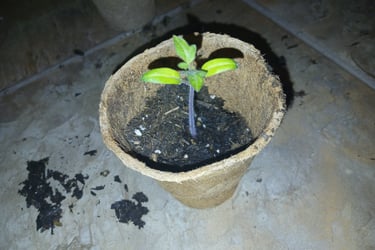
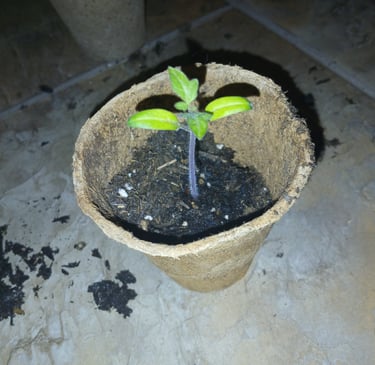
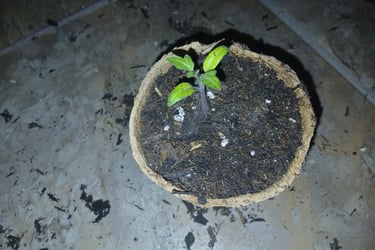
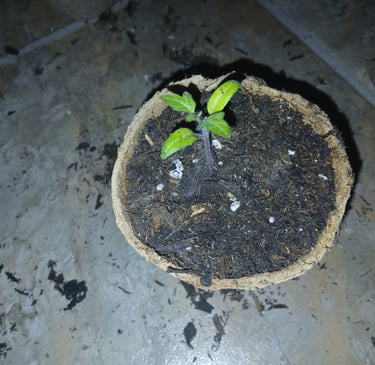
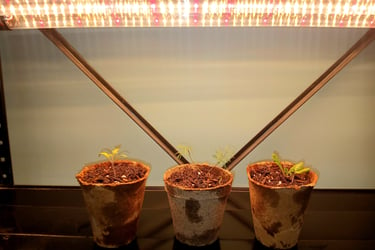
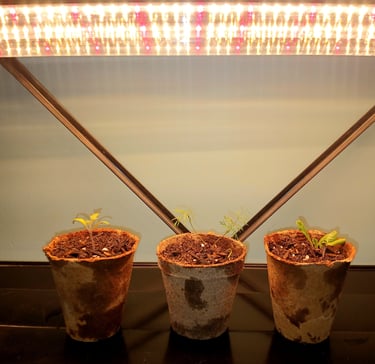
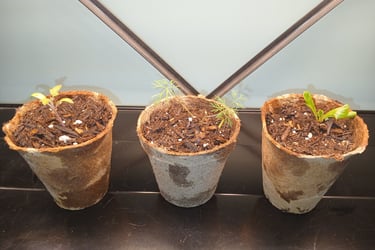
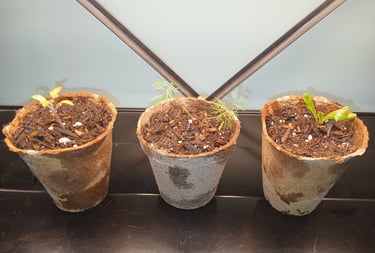
Of all the things I plant peppers take the longest to sprout but they usually emerge within a week. Once plants sprout they stay in the seed tray with the grow lights on about 12-14 hours a day, watering when needed, until they start getting their true leaves. A plants true leaves are the second set of leaves appearing after the initial seed leaves. They resemble the leaves the plant will have when matured. Once the plants get at least 2 true leaves, usually within a couple weeks, I will then transplant each cell into its own small pot. Do this carefully you don't want to destroy the root system. I usually use a small digger tool that came with my seed tray kit to remove the plant from its cell. When transplanting peppers or tomatoes, I plant them deeper in the soil to encourage stronger root systems.
You want to make sure you give each plant a good watering but don't over water, you don't want to drown them. Now I will put them under larger grow lights on my grow shelf. Keeping them farther away from the light and for a shorter amount of time (6-8 hours) the first couple of days.
Sometimes after transplanting the plants will experience a state of shock and wilt. Don't panic if this happens, I've had it happen a lot and they usually always bounce back pretty quick. Normally within 24 hours you will see them improve. After 2 days you can put them closer to the light and resume the 12-14 hours of light schedule. Light and water are all they really need at this point, I never give them fertilizer until I put them in the garden. They will stay inside on the grow shelf until they are ready to go outside to harden off. To harden them you want to place your plants in a sheltered area outside, This is so they can adapt to the outside conditions and get stronger without being completely exposed to the harsh elements until they are ready. I usually put them out on the open area of our deck for a few hours at first and then increase their sun exposure gradually over time. Checking their water needs often as the sun dries the pots out quickly. I always put them back on the covered part at night time or with bad weather. Storms, strong winds or even gusts can be harmful to plants new to the outside and with weaker stems. Once they have been out for about 2 weeks They are ready to go into your garden! While it may be simpler to buy the plants from a store getting to watch the full life cycle of a plant is pretty awesome. I think everyone should try it at least once! You don't have to have a seed tray or grow lights, you can always just put a few plants in your window and give it a try!
Contact
raynasgarden2020@yahoo.com
© 2025. All rights reserved.